History of the Saxophone
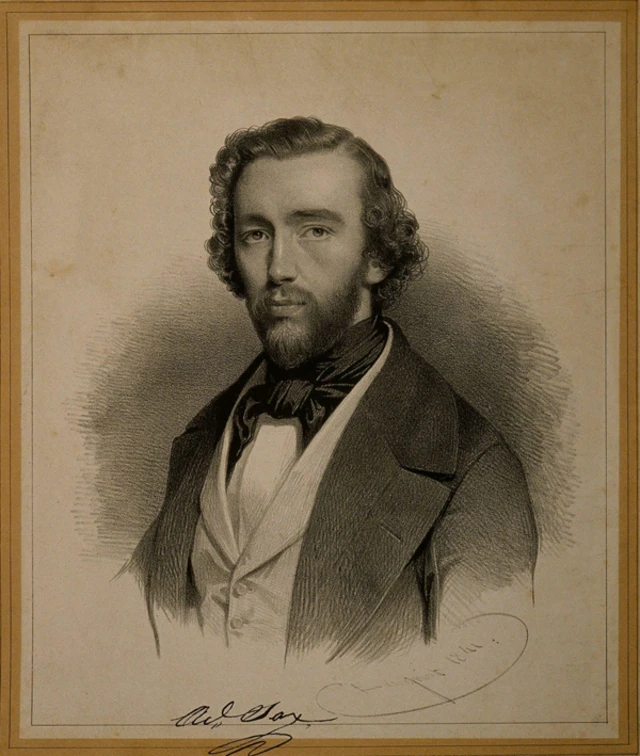
The saxophone was invented by Belgian instrument maker Adolphe Sax in the early 1840s and patented in 1846. Sax wanted to create a hybrid instrument that combined the agility of a woodwind with the booming power of a brass instrument.
The Birth of the Saxophone
In the early 1840s, Adolphe Sax was a skilled instrument maker who wanted to improve the projection of woodwind instruments. He experimented by attaching the single-reed mouthpiece of a clarinet to a brass body with a conical shape (an instrument getting wider toward the end).
On June 22, 1846, Sax patented a family of 14 different saxophones. He designed two groups: one for orchestras (pitched in C and F) and one for military bands (pitched in B and E).
Evolution of the Instrument
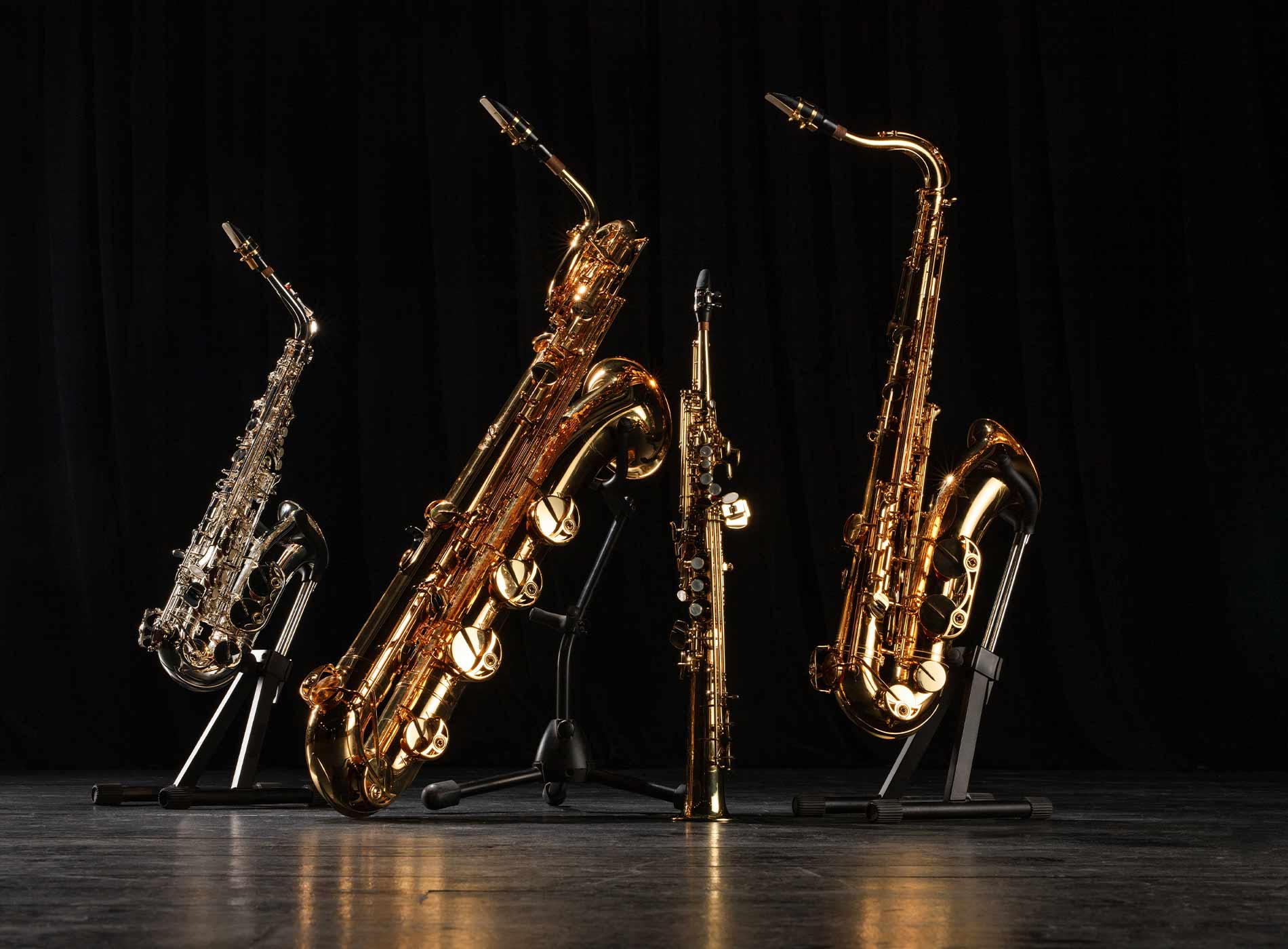
While Sax invented many variations, only four main types are commonly played today:
Soprano: The highest pitched, straight or slightly curved.
Alto: A medium-high pitch, curved with a distinct "neck" curve at the top.
Tenor: A lower, deeper pitch, widely used as a solo instrument in jazz.
Baritone: The largest and lowest of the common group.
From Military to Jazz
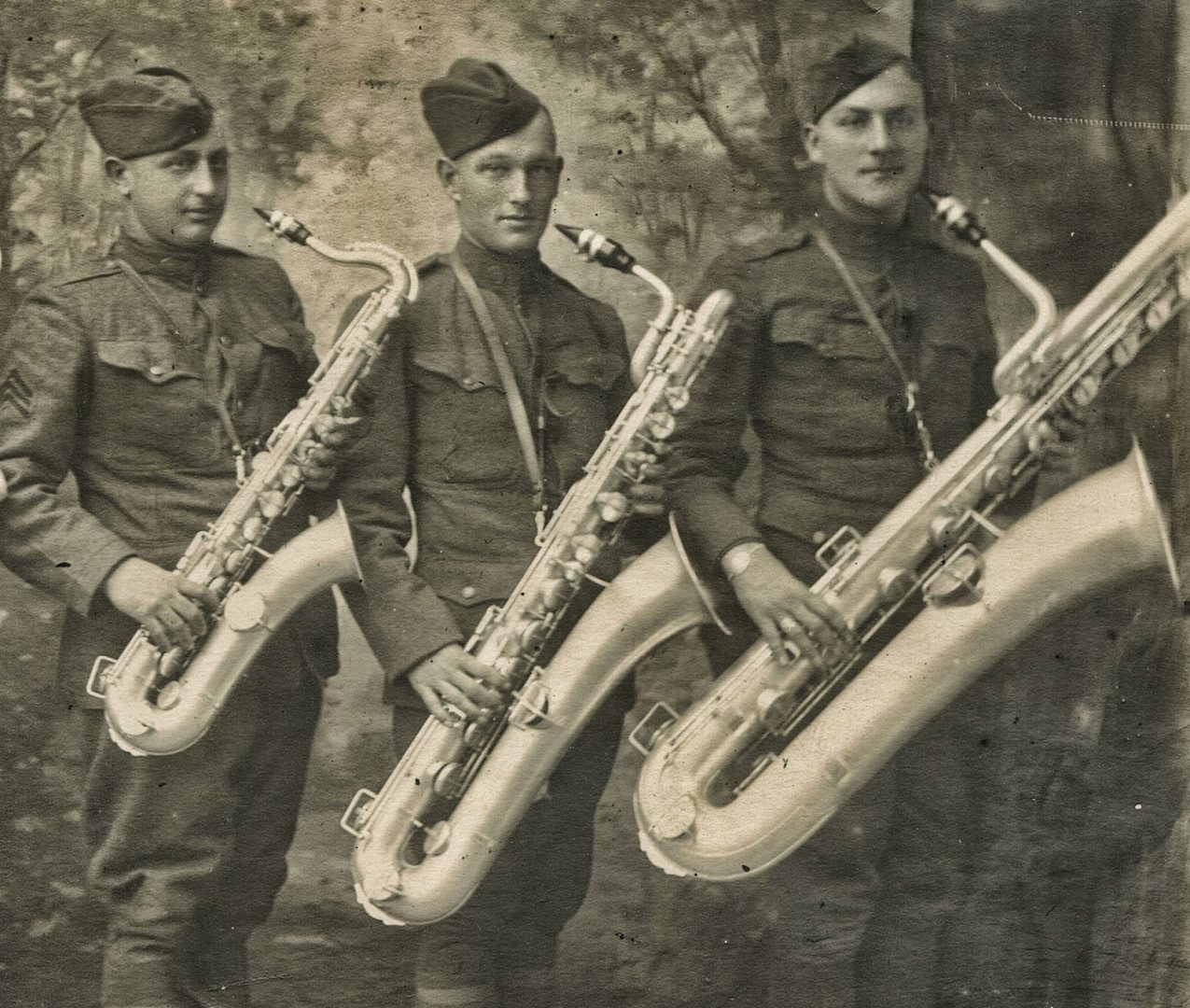
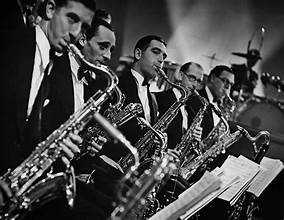
Early on, traditional symphony orchestras resisted Sax’s new invention, so the instrument struggled to find a permanent home in classical music. Instead, it thrived in French and American military bands because its loud, clear sound could be heard outdoors.
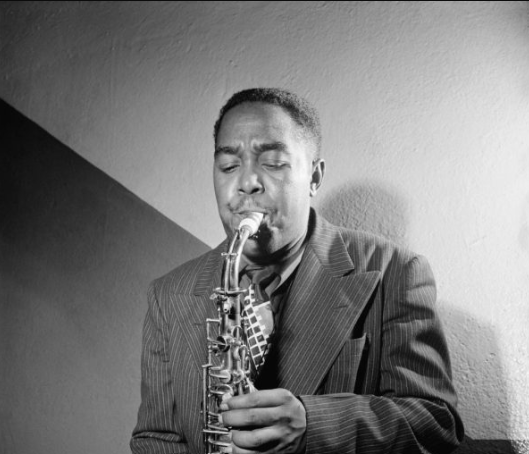
When American military and marching bands disbanded after World War I, many veterans took their saxophones home. These musicians brought the instrument to the booming music scene of the 1920s. The saxophone quickly became the defining, expressive voice of the Jazz Age, played by legends like Charlie Parker and John Coltrane.