Music, Sleep & Sleep Apnea:

Can Music Help You Breathe and Rest Better?
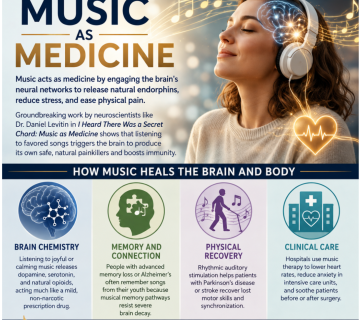
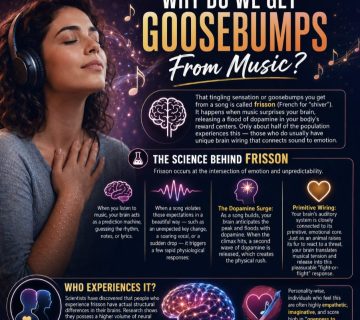
Listening to calming or relaxing music may improve sleep quality and promote deeper sleep. People with obstructive sleep apnea (OSA) however benefit from active musical practices such as singing or playing high-resistance wind instruments by strengthening the muscles of the upper airway.
Listening to Music for Sleep Quality
Better Rest: Pleasant or sedative music lowers stress hormones like cortisol, slows your heart rate, and promotes deep sleep stages.
Routine Matters: Consistent bedtime listening helps signal your nervous system that it is time to rest.
Not a Cure: Listening to background music does not open blocked airways or replace medical treatments like CPAP therapy or oral appliances.
Making Music to Strengthen Airways
Singing Exercises: Regularly practicing vocalizations (like vowel drills) tones the muscles of the throat and soft palate, which can reduce snoring and mild OSA symptoms.
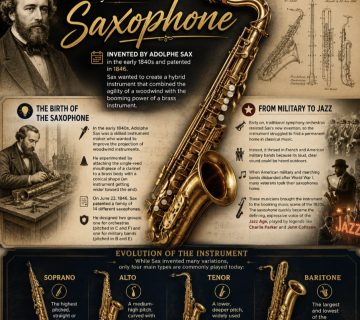
Wind Instruments: Playing high-resistance double-reed instruments (like the oboe or bassoon) or the didgeridoo trains oropharyngeal and respiratory muscles through specialized breathing techniques.